
Aurora Mazzoldi: Introspektive Kunst
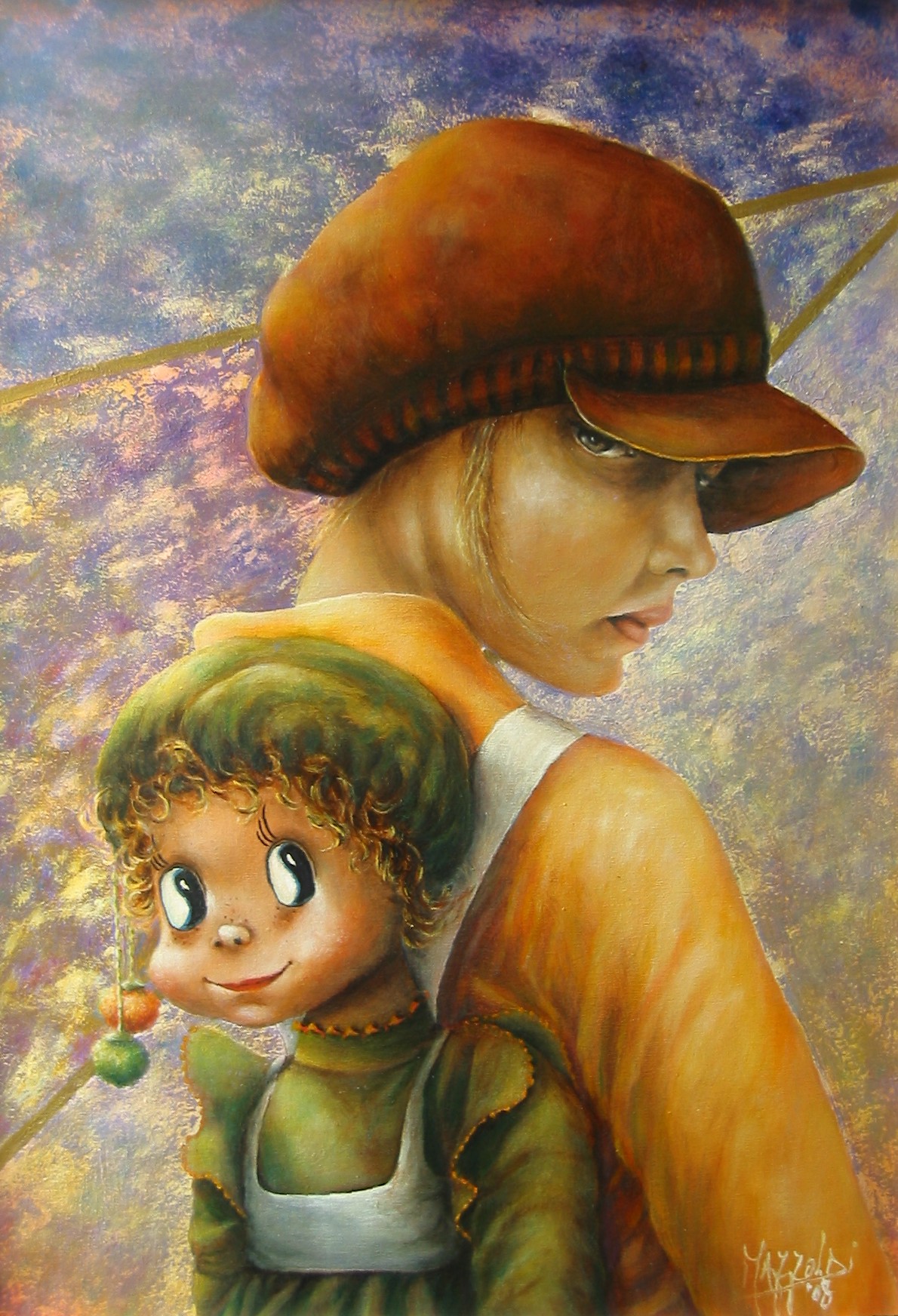 Aurora Mazzoldi, 1945 in Arco di Trento geboren, lebte mehrere Jahre in Paris und Wien, wo sie eine romantische Lebensauffassung entwickeln konnte. Nach ihrem Zurückkommen nach Italien, widmete sie sich zur Innenschau, sie las viel, sie besuchte viele Seminare und sie reiste zu verschiedenen Ländern (Italien, Deutschland, Zypern, Indien) um ihre Wahrheit zu suchen. Damit kam sie zu einer unkonventionellen Auffassung des emotionellen Geschehens. Sie betrachtet jetzt als ihre Aufgabe, diese Auffassung durch Malerei zu offenbaren und die inneren Mechanismen, die ihre Bilder darstellen, in ihrem Website (http://www.mazzoldi-best-acrylic-paintings.com) zu erklären. Sie wurde in New York als „contemporary romantic“ bezeichnet (Maurice Taplinger, Kunstkritiker vom Gallery & Studio Magazine). Agora Gallery (New York, Pressebericht 2008), bezeichnet sie als eine zeitgenössische romantische Malerin mit Renaissance-Aspekten. Das betrifft aber das „wie“, das äussere. Es erklärt nicht, dass ihr Ziel ist nicht die Außenwelt zu malen, sondern das innere Geschehen. Die Bezeichnung „introspektive Kunst“ kann besser beschreiben „was“ sie malt.
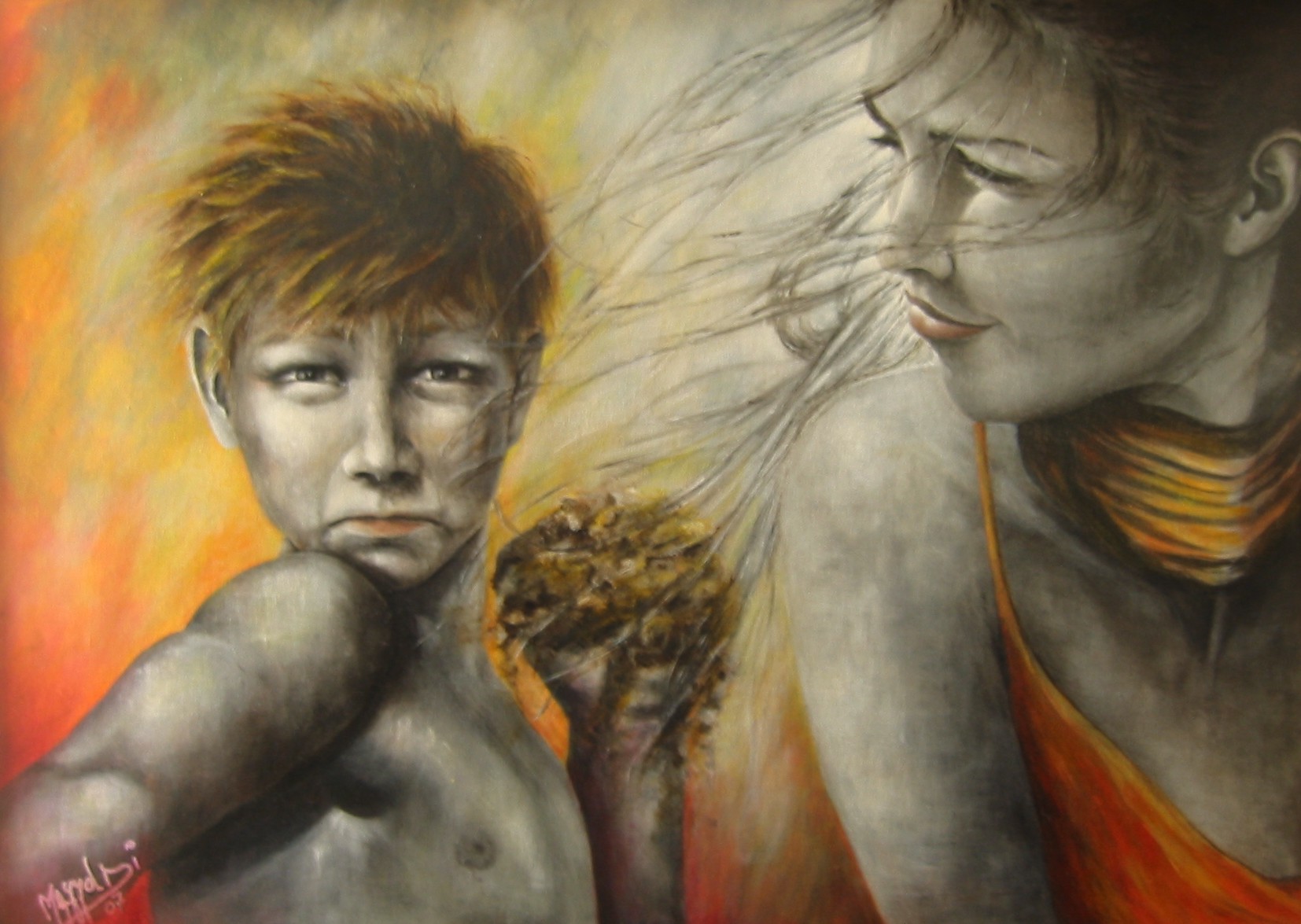
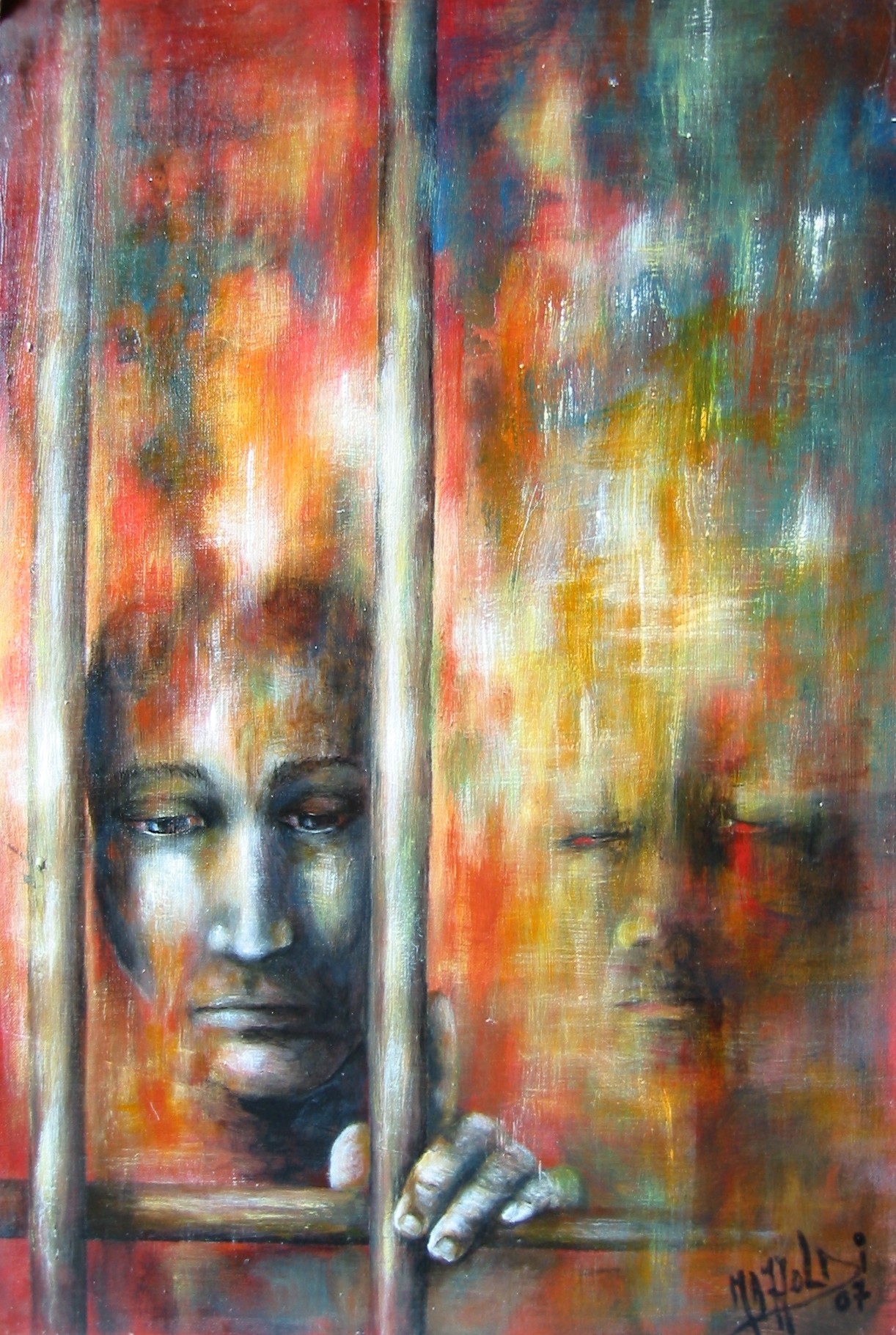 Aurora Mazzoldi’s beautiful acrylic paintings, dubbed “Contemporary Romanticism”, are an epic journey into distant realms of the consciousness: She possesses a tactile and forthright approach to painting that features skilful modeling of light and shadow that often appears to virtually lift the subjects from off the canvas. Feminine beauty, coming of age, and life simple pleasures and subtle mysteries are fertile subject matter for Mazzoldi. Her oeuvre includes sensitively crafted still-lifes and figural studies, which are contrasted by other works that present cryptic allegories near approaching the ploys of Surrealism. These latter works show Mazzoldi at the height of her creativity, employing fascinating ciphers and soulful posturing to explore a concept without overt storytelling. This slight premeditated disconnect allows room for interpretation by the viewer, while allowing the works to remain deeply captivating and unforgettable. “I can transmit through my paintings the images, emerging from my subconscious mind as an inexhaustible source of experiences, stories and paths,” Mazzoldi explains. Stylistically her work has been influenced greatly by the Old Masters; while in content her own internal reflections and extensive travels throughout such far-flung locales as Germany, India and Cyprus have been inspirational. Aurora Mazzoldi has exhibited in her native Italy and also on an international level in Hungary, Germany, Austria, Spain, Argentina and the United States. Mazzoldi lives and works in Arco di Trento, Italy.
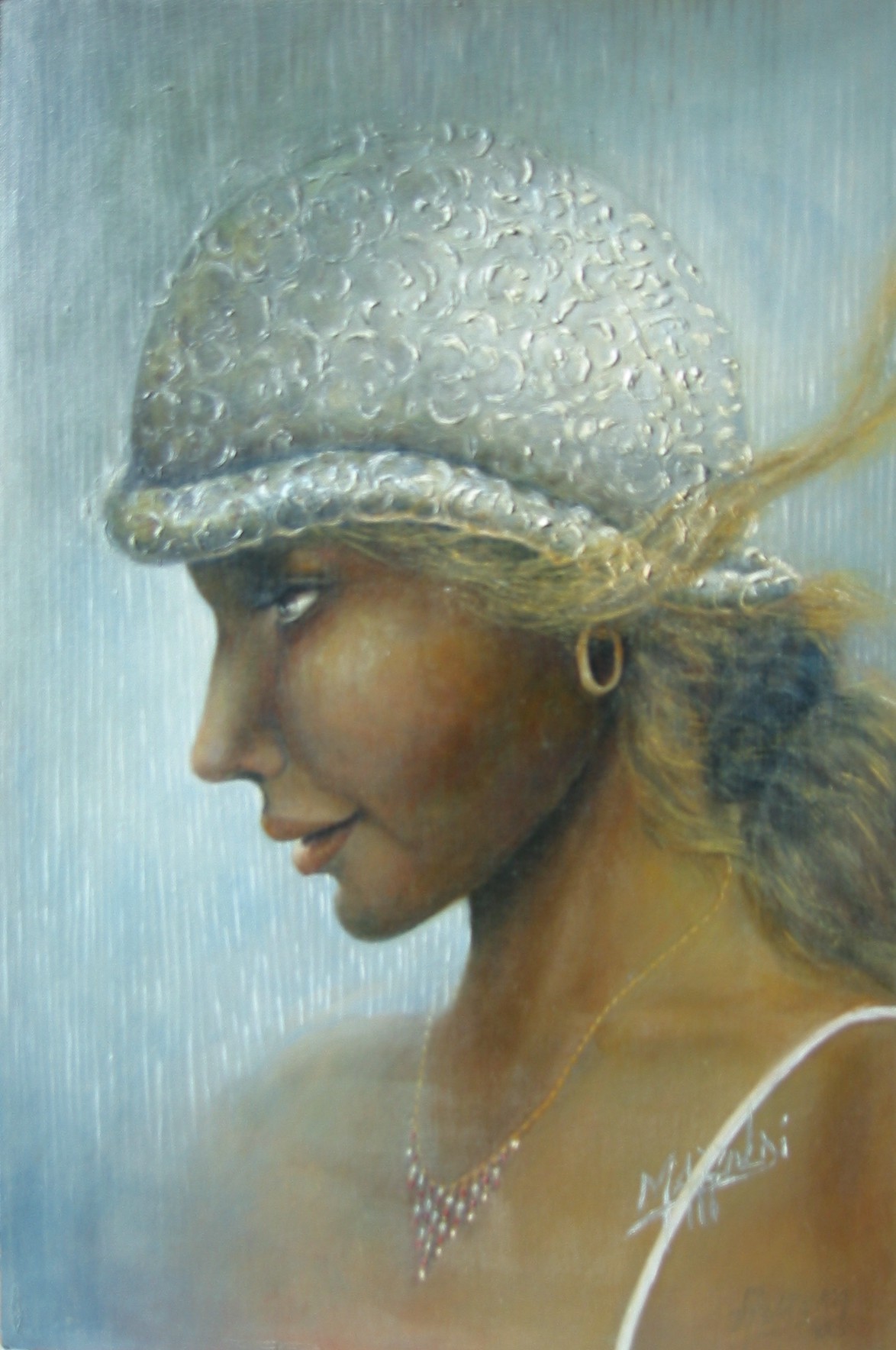
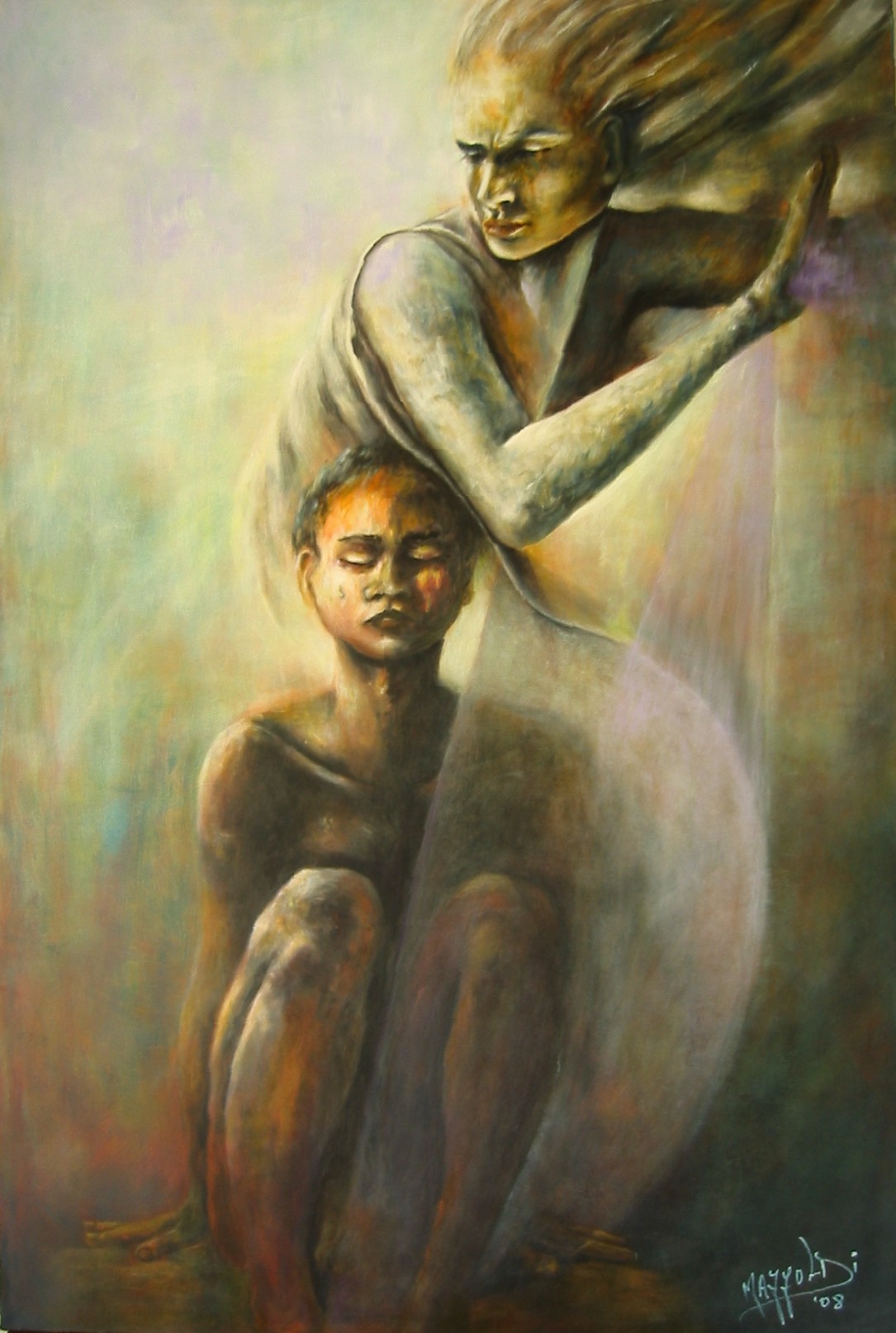
"Soft light, subtle colors and sumptuous textures work together in the works of Aurora Mazzoldi to create a unique style described by art critic Maurice Taplinger as “contemporary romanticism”.
Mazzoldi’s acrylics on canvas are imbued with profound emotion and point to the artist’s own deep relationship to her paintings. Having lived in France, Austria and Italy, Mazzoldi is deeply informed by the art historical traditions that are present in her everyday surroundings and looks to a wide range of influences from the Renaissance Masters of Italy to the Nineteenth Century Romantics.
Although her use of dramatic mood is drawn directly from the Romantic tradition, Mazzoldi’s color pallet and soft modeling of form is reminiscent of the Old Masters of the Renaissance. A spiritual thinker who buries herself in each work of art, Mazzoldi is also deeply affected by the philosophical message of the Christian Esoteric teacher Daskalos"….
(Luci soffuse, colori tenui e splendidi orditi concorrono a creare, nelle opere di Aurora Mazzoldi, uno stile unico, che il critico d’arte Maurice Taplinger definisce “romanticismo contemporaneo”.
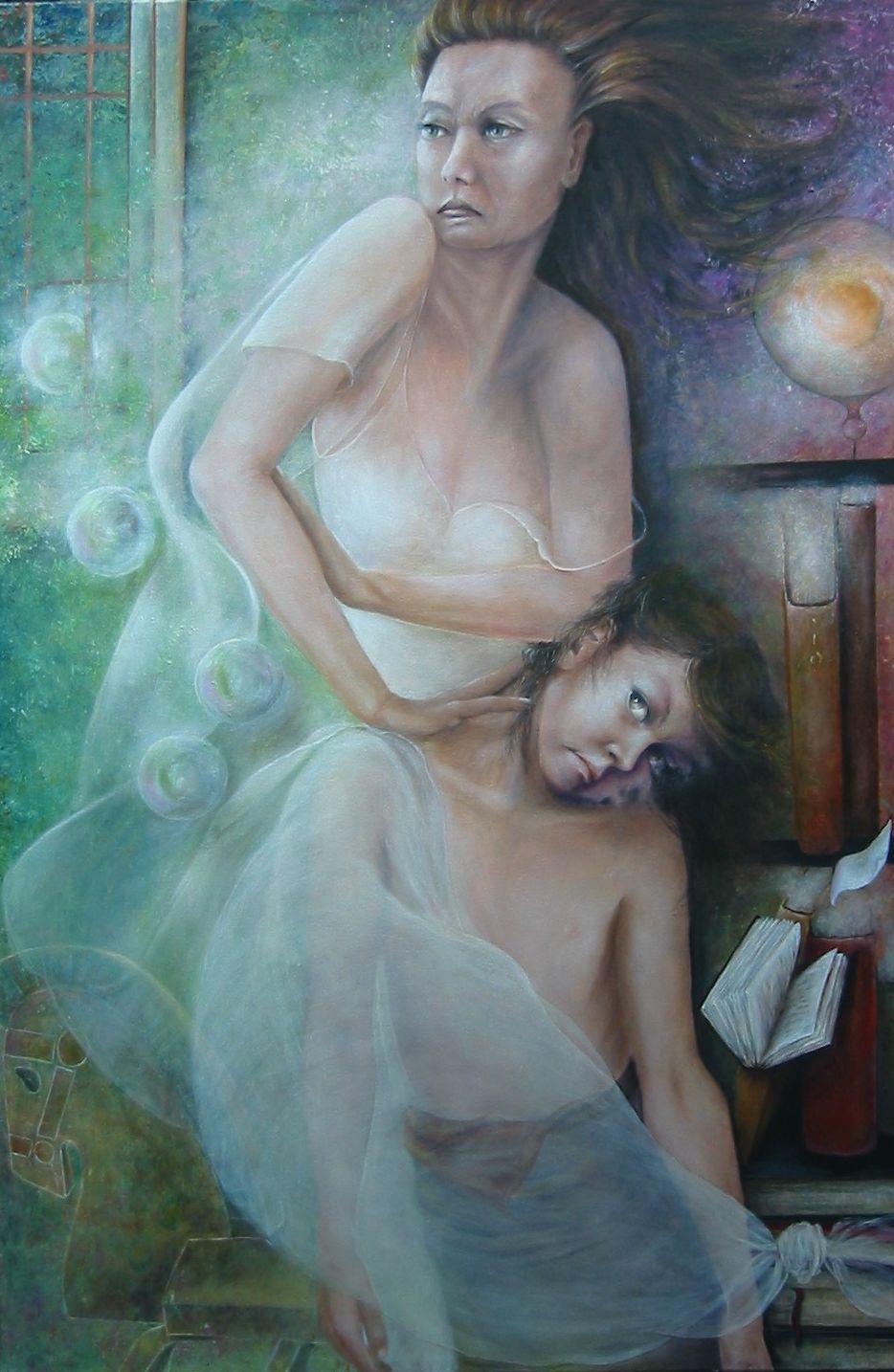 Gli acrilici su tela della Mazzoldi sono intrisi d’intensa emotività e ci mostrano il rapporto profondo che l’artista ha con i suoi quadri. Avendo vissuto in Francia, Austria e Italia, la Mazzoldi ha assimilato intensamente le tradizioni storico-artistiche presenti nel suo quotidiano e ricorre a una vasta gamma di fonti ispiratrici che vanno dai Maestri del Rinascimento italiano ai Romantici del diciannovesimo secolo.
Il suo ricorso ad atmosfere drammatiche proviene direttamente dalla tradizione romantica, mentre la sua gamma di colori e la soffice modellazione delle forme ci ricordano gli antichi Maestri del Rinascimento. La Mazzoldi è una ricercatrice spirituale che medita profondamente ogni sua opera artistica e che è stata affascinata, fra l’altro, dalla profondità del messaggio filosofico del maestro esoterico cristiano Daskalos)….
Le opere a carattere elegiaco di Aurora Mazzoldi ci riconducono all’equilibrio che vi è fra il ricordo e la perdita, il desiderio e la mancanza e alla consapevolezza che il dono di essere uomini comporta la capacità di rimpiangere e commemorare al tempo stesso le nostre esperienze. Essa è un’artista che ci ricorda coraggiosamente la condizione umana, ma senza disperazione né critica; l’atmosfera di tristezza di queste opere è accompagnata dall’accettazione.
I suoi soggetti si presentano a noi privi di abbellimenti difensivi; essi ci ricambiano lo sguardo da un loro spazio nel quale lo sfondo sembra dispiegarsi in avanti in profondi colori terrosi e nel quale appare forte il senso della melanconia alimentata dal desiderio. Quando nelle sue opere non compaiono persone il senso di melanconia è ancora più grande, perché la Mazzoldi sceglie brillantemente due oggetti iconografici che toccano in noi le corde dello struggimento --i fiori e un cappello non indossato.La Mazzoldi reitera nelle sue opere l’importanza di questi due oggetti che diventano simboli viventi. l’assenza delle persone, sostituite dai cappelli e ricordate dai fiori - qui è dove i dipinti della Mazzoldi ci riconducono al suo tema: il dolore della perdita alleviato dalla mitigazione che avviene attraverso l’amore. L’impermanenza e, al tempo stesso, l’importanza del rapporto umano pervade queste toccanti opere.
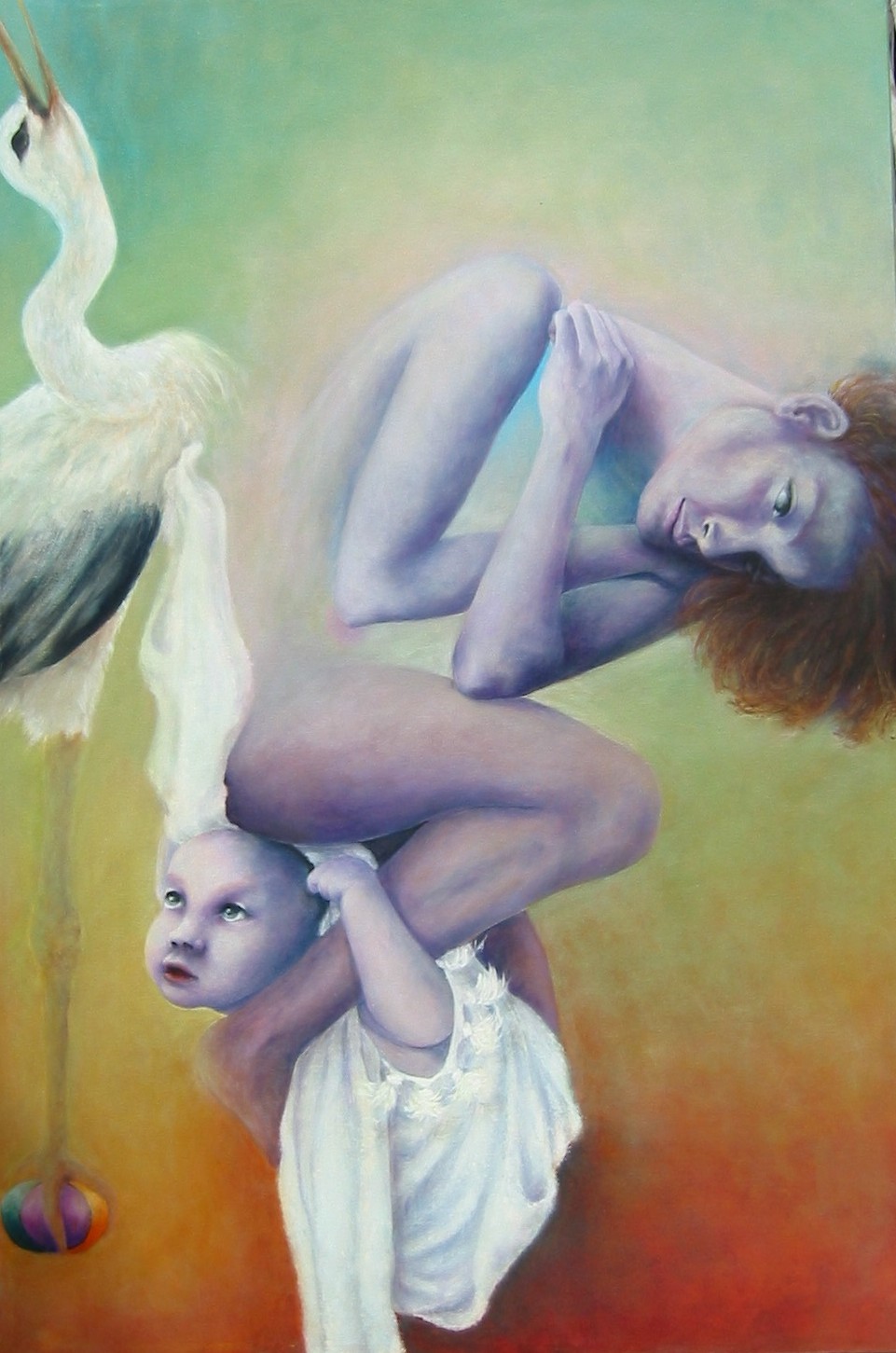 Un secondo tema della pittura della Mazzoldi è dato dalla profondità degli occhi dei suoi soggetti. Sia che essi trasmettano melanconia o un’innocente gioia o che siano addirittura chiusi nel sonno, la Mazzoldi annuncia vivacemente attraverso di essi la sua convinzione che gli occhi siano la finestra dell’anima. In tele dominate dai marroni scuri con leggeri tocchi dorati gli occhi rappresentano spesso l’unica fonte di luce. La Mazzoldi ci chiede di riconoscere sia il dolore che la gioia di essere uomini ma, nonostante gli inevitabili gravami di memorie che questi quadri suggeriscono, la disperazione non trova posto in essi. Perfino nella melanconia la speranza splende radiosa, letteralmente irraggiata dagli occhi. Anche se i talismani dei cappelli o dei fiori costituiscono il tema della Mazzoldi, gli occhi ci suggeriscono le storie che i suoi dipinti, a carattere quasi onirico, raccontano; è attraverso di essi che noi introiettiamo il mondo. Con i suoi dipinti Aurora Mazzoldi testimonia come noi cresciamo dall’innocenza all’esperienza e dall’esperienza alla conoscenza.
The elegiac works of Aurora Mazzoldi address the balance between memory and loss, longing and absence, and the knowledge that the grace of being human lies in the ability to both mourn and commemorate our experiences. She is an artist bravely addressing the human condition without despair or criticism; acceptance accompanies the mood of sadness in these works.
Her subjects present themselves to us unadorned by defenses; they stare back at us, inhabiting a space in which the background seems to spread forward in deep, earthly colors, and where the sense of melancholy fuelled by desire is strong. When there are no people present in her works, this sense of melancholy is even greater, for Mazzoldi has brilliantly chosen two iconic objects which strike chords of absence for us—flowers and an unworn hat. Throughout her works, Mazzoldi reiterates the importance of these two objects as living symbols. The absence of people, replaced by hats, and remembered by flowers—this is where Mazzoldi’s paintings convey her theme: the pain of loss alleviated by the palliative of love: The impermanence, yet importance, of human connection pervades these striking works.
A second motif in Mazzoldi’s painting is the intently staring eyes of her subjects. Whether in melancholy or innocent joy, or even closed in sleep, Mazzoldi exuberantly announces her faith in the eyes as windows to the soul. In canvases dominated by dark browns with slight touches of gold, eyes are often the only source of life to be found. Mazzoldi is asking that we acknowledge both the pain and joy of being human, and yet for all the unavoidable burdens of memory which these paintings suggest, there is no despair in these works. Even in melancholy, hope burns brightly here, quite literally emanating from the eyes. If the talismans of hat or flowers are the theme, then eyes tell the stories in Mazzoldi’s dreamlike paintings: it’s there that we take in the world: We grow, Aurora Mazzoldi is telling us in her paintings, from innocence to experience, and from experience to knowledge.
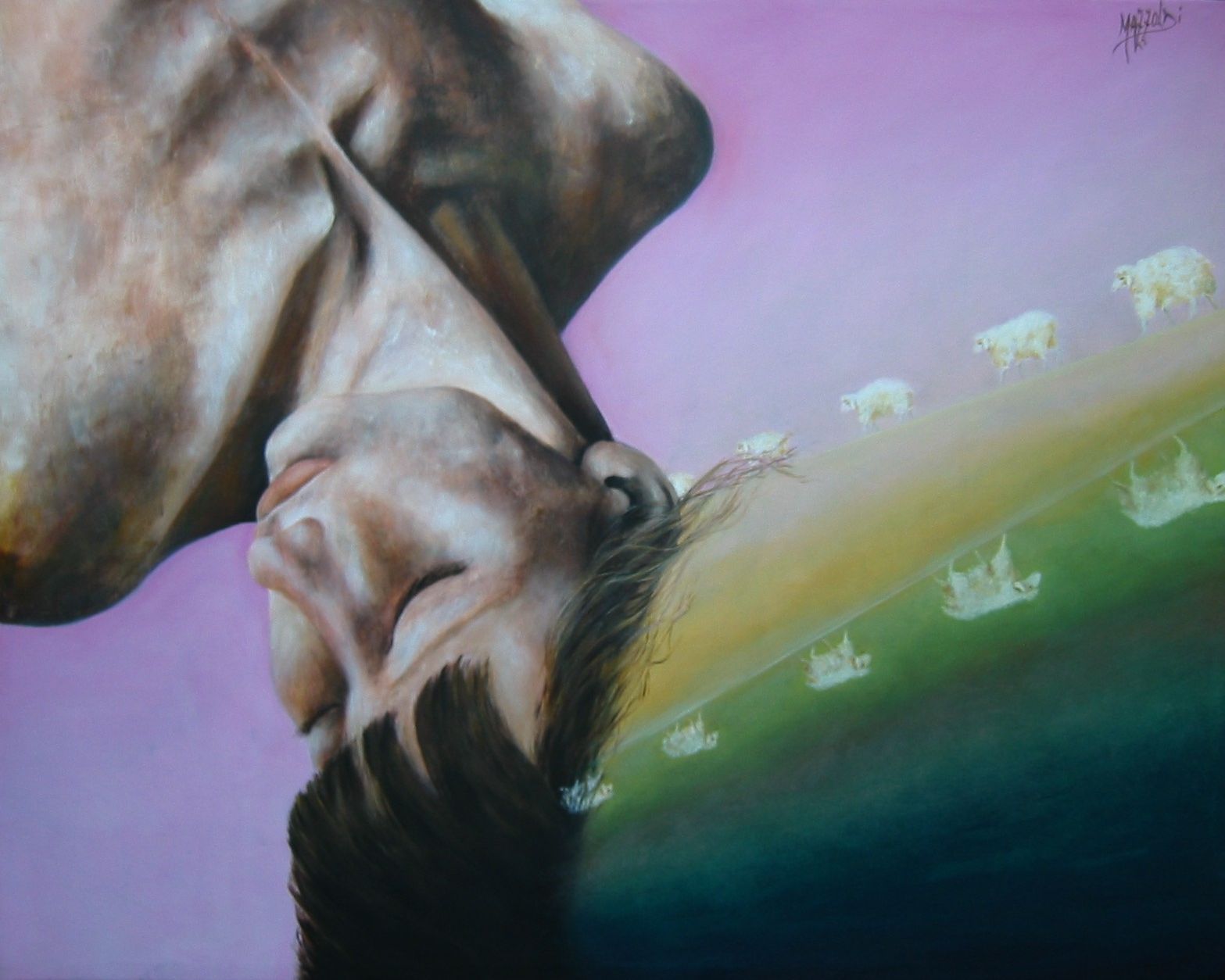
„Wie jeder Künstler lasse ich in mir die intuitive Einsicht erwachsen, um die Bilder durch das Malen zu übermitteln, welche aus dem Unterbewusstsein als unerschöpfliche Quelle von Erfahrungen, Geschichten und Wegen auftauchen. Das Ganze wird durch Gegenstände, Gesichter, Ausdrücke, Körperstellungen und -Bewegungen dargestellt, welche Geschichten, Träume, Hoffnungen, Illusionen und Wünsche beschreiben.
Meine Einprägung erlaubt mir diejenigen, die es mögen, in den Spiegelsaal meiner Imagination einzuführen, damit sie die Abspiegelung von Lichtern und sich belebenden Bruchteilen meines Inneren erleben können.
Malen ist mir kein Bedürfnis, sondern eine Freude. Schafft mein Inneres, sich durch ein Bild auszudrücken, so wächst in mir eine solche Freude empor, dass ich sie gerne mit anderen Menschen teilen mag....” Aurora Mazzoldi
Quellen:
Agora Gallery, New York, Press Release 2008
ARTisSpectrum, New York, vol. 18
ArtisSpectrum, New York, vol. 20